A G650 charter, handled
What actually happens between asking for a jet and the door closing.
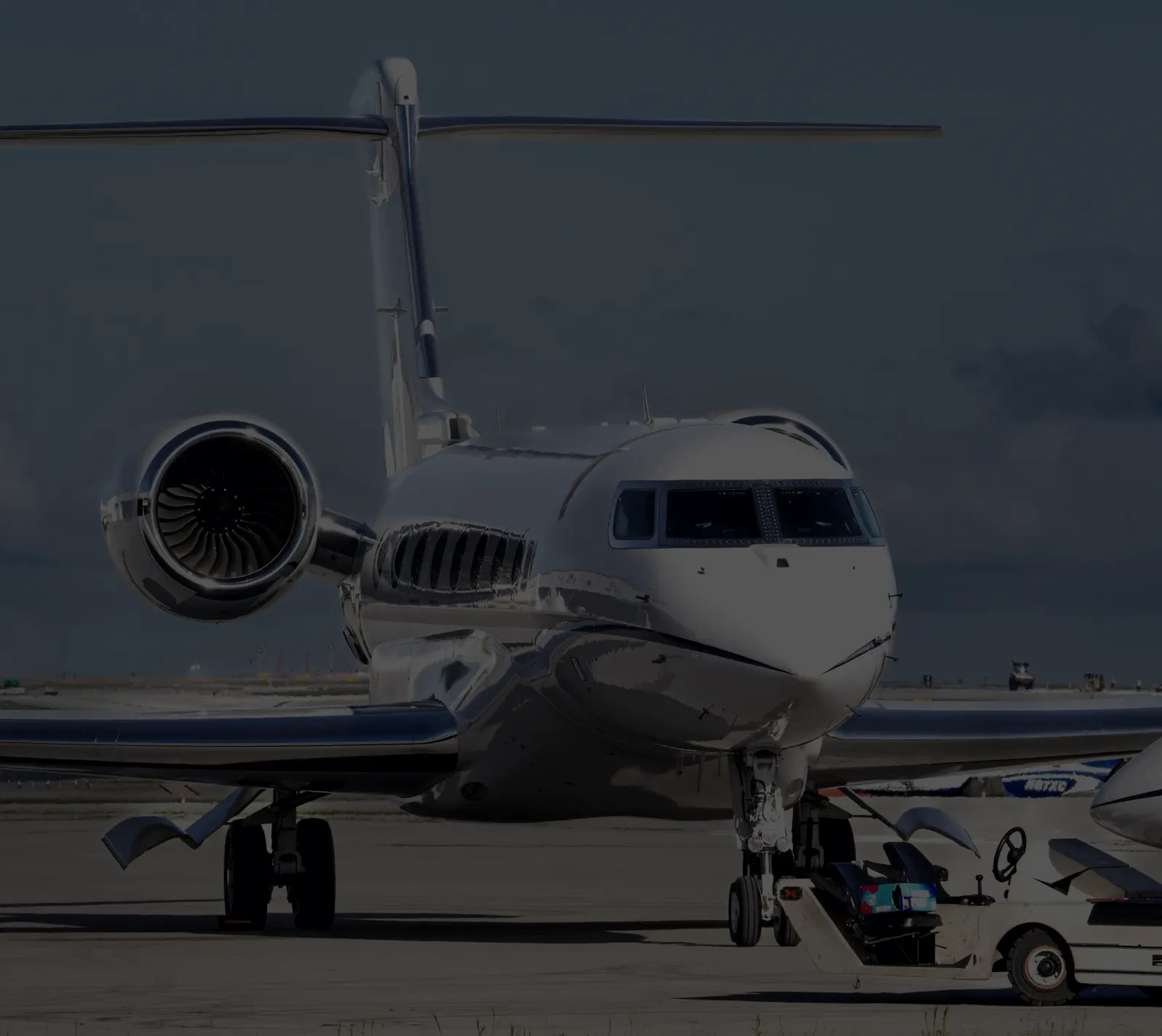
The aircraft is the part people picture, and the part that takes the least arranging. A Gulfstream G650 will cross most of the world without stopping, and on a good day it is the simplest object in the whole transaction.
The work is everywhere else.
A charter is a chain of permissions. The operator has to have the aircraft where you are, not where it is. The crew has to be legal — duty hours are counted, and a crew that has flown a long leg that morning cannot take you out that night, whatever anyone says on the phone. The slot has to exist at both ends, which at a constrained airport in a busy week it frequently does not. Then handling, then customs, then a car that is airside rather than waiting hopefully at a terminal you will never walk through.
The empty leg is the part most people have heard about and the part that most often disappoints. A repositioning flight is genuinely cheaper, but it goes where it was already going, on its schedule, and it can vanish the day before when the original charter moves. It is a good way to travel if the date is soft. It is a poor way to make a meeting.
What we do is not find an aircraft. Anyone with a phone can find an aircraft. We confirm the operator holds the certificate they claim, that the insurance is current and adequate for the route, that the crew is legal for the day you are actually flying, and that the ground is arranged at both ends before anyone quotes you a number.
Then you get one message with a departure time, and the rest of it is not your problem.